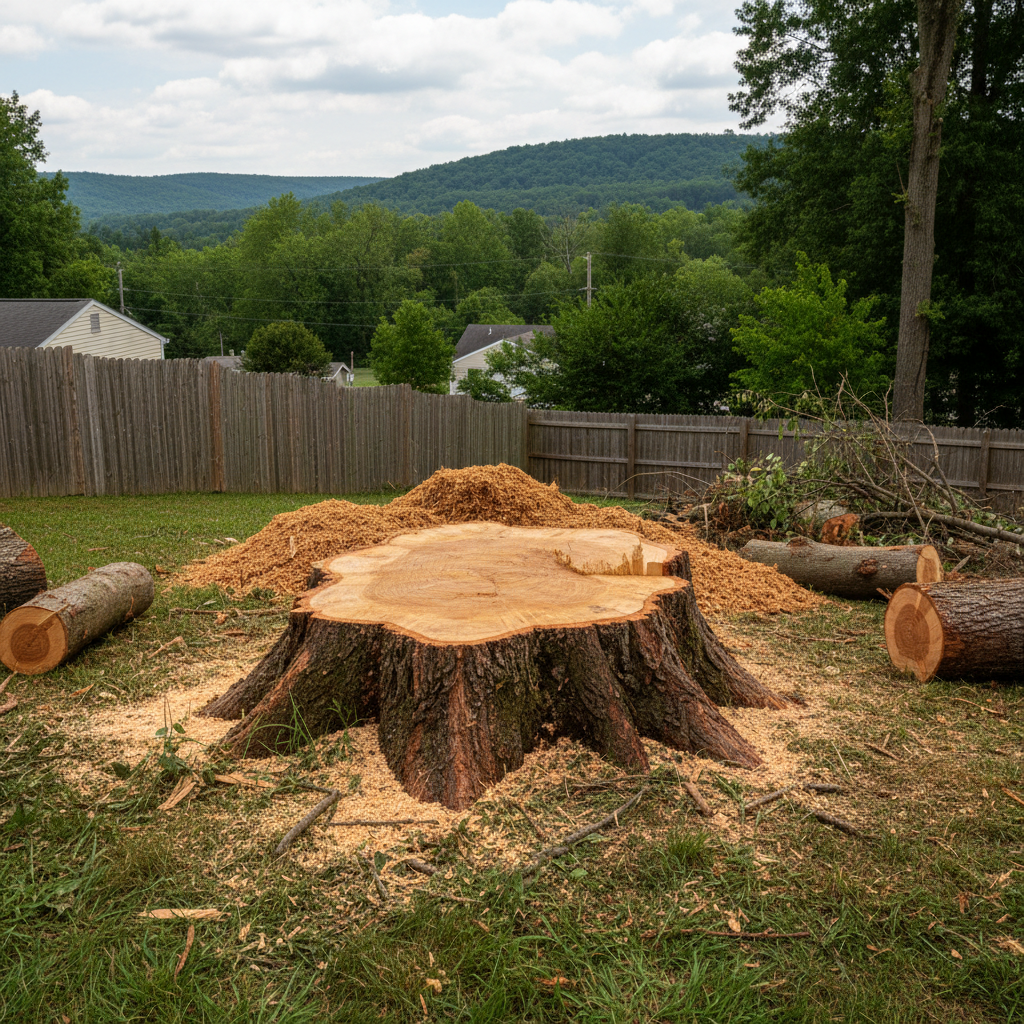
So, you've got a tree on your property that's seen better days, or maybe it's just in the way. You're probably wondering, "Can I just take this down myself?" It's a fair question, and the answer isn't always a simple yes or no. As someone who's been doing this for years around Morgantown, I've seen folks try to tackle jobs way over their heads, and I've also seen them handle smaller tasks just fine. Let's break down what you need to know before, during, and after a tree removal project.
Before You Even Think About Cutting
First things first: safety. This isn't just about wearing goggles; it's about understanding the risks involved. Trees are heavy, they fall unpredictably, and they can cause serious damage or injury in a heartbeat. Before you even touch a saw, ask yourself these questions:
- What kind of tree is it? A small, young sapling is a lot different from a mature oak or a towering sycamore. The bigger the tree, the bigger the danger.
- Where is it located? Is it out in the middle of your yard with nothing around it? Or is it leaning over your house, your neighbor's fence, power lines, or your kid's swing set? Proximity to structures or utilities immediately bumps up the risk factor. Morgantown's hilly terrain and older neighborhoods, like those around Sunnyside, often mean trees are growing on slopes or very close to homes, making removal trickier.
- What's the tree's condition? Is it diseased, rotting, or already partially fallen? Compromised trees can be incredibly unstable and unpredictable.
- Do you have the right equipment and experience? A hand saw for a small branch is one thing. A chainsaw for a whole tree? That requires skill, proper safety gear, and a good understanding of felling techniques.
- Are there any local regulations? Some municipalities or HOAs have rules about tree removal, especially for larger or protected species. A quick call to the city planning office can save you a headache later.
Honestly, if you're looking at anything bigger than a small ornamental tree (say, less than 15-20 feet tall and not near anything important), or if it's showing signs of significant disease, you should probably be thinking about calling a professional. It's not just about cutting it down; it's about doing it safely and efficiently.
During the Removal: DIY vs. Pro
When You CAN Do It Yourself (Carefully!)
If you've got a small, healthy tree that's well away from any structures or power lines, and you're comfortable with a chainsaw (and have all the safety gear – helmet, eye protection, ear protection, chaps, gloves), you might be able to handle it. Here's the super-quick rundown:
- Plan your escape route: Know exactly where you'll go if the tree falls unexpectedly.
- Clear the area: Make sure no people, pets, or valuable items are in the fall zone.
- Make proper cuts: This is critical. You need a notch cut in the direction you want it to fall, and then a felling cut from the opposite side. If you don't know what these are, stop. Seriously.
- Watch for kickback: Chainsaws are powerful and dangerous.
Even for small trees, I always recommend having a spotter with you. Someone who can watch the tree, warn you, and call for help if something goes wrong.
When You ABSOLUTELY Should Call a Pro
This is where Mars Family Tree Service comes in. If any of these apply, don't even think about DIY:
- The tree is large (over 20 feet).
- It's close to your house, garage, shed, fence, or any other structure.
- It's near power lines. This is a huge one. Electricity and falling trees don't mix. Call the power company first if lines are involved.
- The tree is diseased, dead, or unstable. These are unpredictable.
- It's on a steep slope or in a confined space.
- You don't have the proper safety gear, tools, or experience.
- You just don't feel confident. Trust your gut.
Professional tree removal isn't just about owning a big saw. It's about specialized equipment – cranes, bucket trucks, chippers – and years of experience understanding tree mechanics, rigging, and safe felling practices. We've got the insurance to cover accidents, which is something you won't have if you're doing it yourself.
After the Tree is Down
Okay, the tree is down. Now what?
- Cleanup: You'll have a lot of branches and wood. Are you going to chip it, cut it into firewood, or haul it away? This can be a huge job in itself.
- Stump Removal: Most DIYers cut the tree as close to the ground as possible. But then you're left with a stump. You can try to grind it yourself (renting a grinder is an option, but they're heavy and a bit intimidating), or you can have a professional come in and take care of it. A stump left in the ground can be an eyesore, a tripping hazard, and can attract pests.
- Disposal: Where are you going to take all that wood and debris? Landfills often have specific rules, and you'll need a way to transport it.
When you hire a full-service company like Mars Family Tree Service, we handle the whole thing: the safe removal, the chipping of branches, the hauling away of logs, and even stump grinding if you want it. It's a complete package that saves you a lot of time, sweat, and potential headaches.
Look, I get it. You want to save a buck. But sometimes, saving money upfront can cost you a whole lot more in the long run – whether it's property damage, medical bills, or just the sheer frustration of a job gone wrong. For anything beyond the most basic, safest tree removal, do yourself a favor and get a few quotes from local, insured professionals. It's an investment in your safety and your property.